
Like any great game, Dota 2 is constantly evolving. From patches, to playstyles, and even the way roles are played. While it may seem like the five Dota 2 roles, Carry, Mid, Offlane, Hard and Soft support, are relatively crystallized, they actually shift and evolve more than you might expect.
While obvious examples, such as the Jungler, have gone the way of the dinosaurs, and positions like mid and carry stay mostly the same no matter the patch, changes happen over both longer periods of evolution and in short bursts within roles. Here’s what we mean:
Position 4 – Roamer or Babysitter?
If you were playing Dota in the pre-pandemic era, you might be familiar with the “Roamer” Position 4. This take on the role would effectively leave the offlaner entirely on their own, but due to the fact that offlane would effectively be frozen out of experience by a decent carry lane, it was better for the Pos 4 to sack the offlane and try and make things happen on the map than try and live on poverty XP.
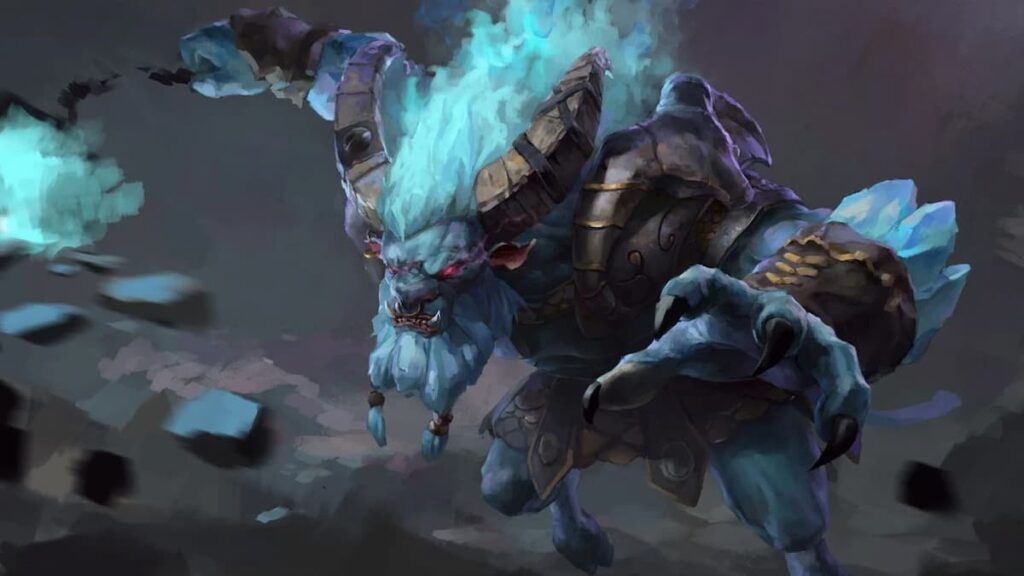
But changes in mid lane rune priority, the amount of XP give from denies, and general changes in the map meant it was better to have a stronger offlaner with a support post around 2020. Even so, the sheer amount of objectives now in the game in 2026 means that we’ve seen roaming supports return, especially in high-level play, where rune contests, wisdom shrines, lotuses, and everything in between can shift the balance of the game.
But even as I write this, as DreamLeague Season 29 continues, the roles of the Pos 4 is shifting again. With games now trending upwards in length, Pos 4’s need to be able to constantly shift. The roaming is situational: If your Offlaner is winning hard, go for a wander. If he’s chewing dirt, maybe stick around. Afterall you both need to make it to minute-40 ready to compete.
Heroes like Largo, who find themselves flexed between three and four positions, are great at this tweener role. Meanwhile, more picks like Witch Doctor, Clockwerk, and Lion, can do it all. They can stick to their lane like glue, or wander off for more impact. The point is the role is more fluid now and at the highest levels, players are deciding how they’re going to play their role on a situation by situation basis.
Offlane solo to second carry
As we mentioned above, Offlane also changed a lot. When roaming is popular, Offlane is one of the Dota 2 roles that’s a survival lane for late-game scalers. Heroes who are essentially just their ult, or can scale with little to no farm and levels excel here, giving us offlane heroes like Tidehunter or Dawnbreaker in the role.
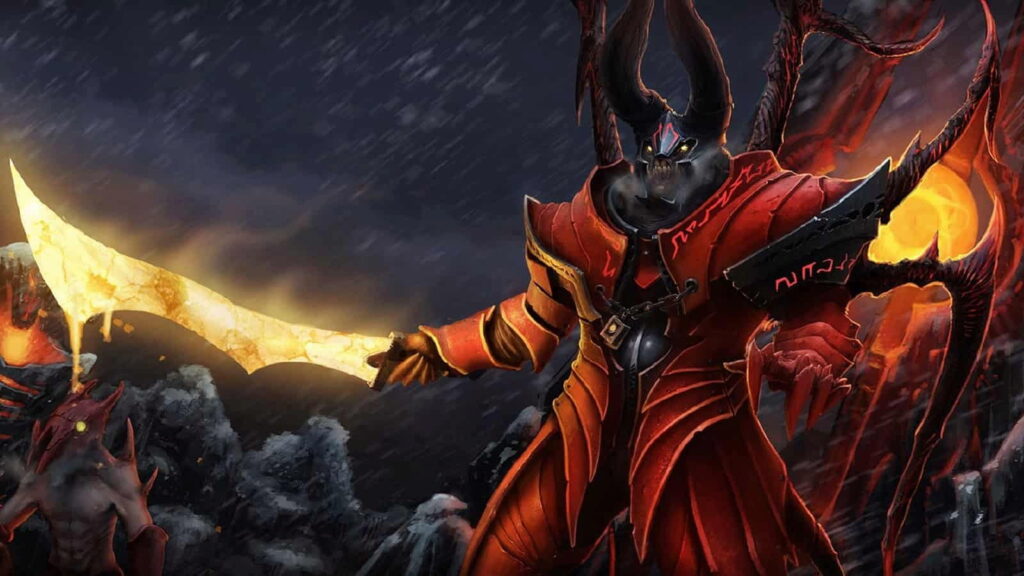
But in the modern Dota 2 landscape, especially in competitive, many teams opt for an offlaner who scales more with gold and items, or can find farm elsewhere. Heroes like Doom, who can source farm using his abilities, or scaling carries like Legion Commander, find a lot more play across the modern competitive landscape.
And while a carry’s role is often set in stone, an offlane hero often dictates an entire gameplan. Which leads us to our point on the small changes across individual tournaments.
Changes in Dota 2 roles happen every single event
We see roles change even within tournaments, depending on picks that are strong, and perhaps more compellingly, players on a hot streak.
In early 2025, Tundra dominated a series of tournament games by putting Martin “Saksa” Sazdov on heroes like Riki or Bounty Hunter. Rather than a four position who roamed or stuck in lane, Saksa had one goal: To snipe couriers. And by doing so, he deprived multiple lanes of items and forced the opponents to deal with him.
This was a case of an individual player, with a specialized pick transforming a role. While other teams attempted to copy, the most effective move was to simply ban Saksa’s heroes. And if you’re banning a support player’s comfort picks, then you’re definitely letting through more dangerous picks for other roles.
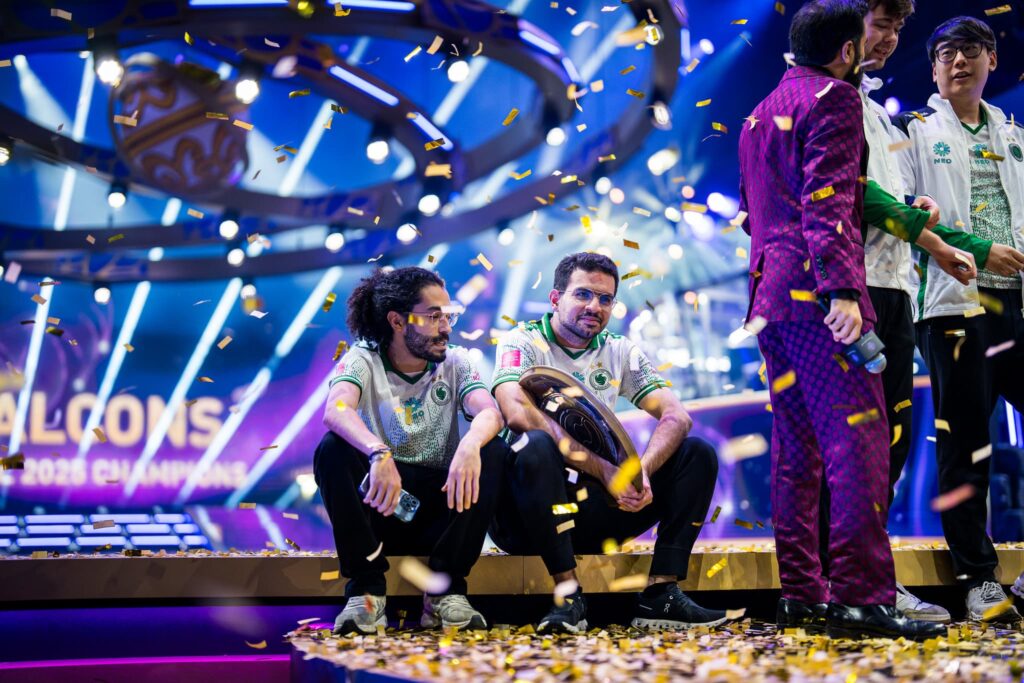
However, perhaps the most compelling example came at TI14 last year, as Team Falcons offlaner Ammar “ATF” Al-Assaf decided he was simply a better laner than his opponent, Wang “Ame” Chunyu. Knowing he could win the individual lane, he picked Bristleback in game two and Ursa in game four and in effect became a second carry, while opening up the rest of his team to dominate.
Both performances show how adapting a role on the fly, game to game, tournament to tournament, can make winners out of unlikely picks. And it also shows that the sometimes (mistakenly) rigid world of picks and meta in Dota 2 can be torn apart by broader strategy and game knowledge.